
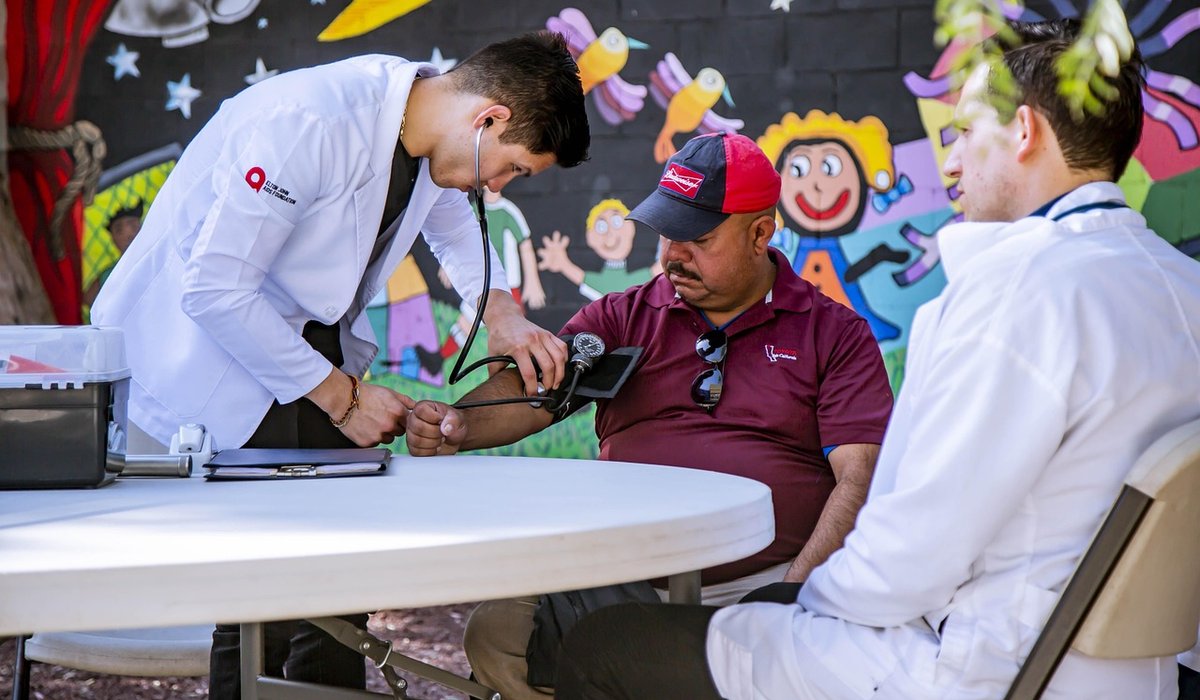
Around one in three adults in the UK has high blood pressure, and many of them have no idea. It rarely makes you feel unwell, which is exactly what makes it dangerous — over time, raised pressure quietly strains your heart, kidneys, eyes and blood vessels. The good news is that blood pressure responds well to small, steady changes. You do not need to overhaul your life overnight. A few practical tweaks to what you eat, how much you move and how you rest can bring your numbers down meaningfully, and keeping an eye on them at home or at your surgery keeps you on track.
You cannot manage what you do not measure. If you are over 40 and have not had a check in the last five years, you are entitled to a free NHS Health Check through your GP surgery, and most pharmacies will also check your blood pressure free of charge. A single high reading is not a diagnosis — it is a prompt to look again.
If you would rather monitor at home, a validated upper-arm cuff monitor is worth the investment. When you take a reading:
Home readings run a little lower than surgery ones. Broadly, aim for below 135/85 at home and below 140/90 in the surgery — though your GP may set a different target depending on your age and other conditions.
Adults should have no more than 6g of salt a day — about a level teaspoon — and most of us are well over that. Around three-quarters of the salt we eat is already in processed food, so the biggest wins often come from the shopping basket rather than the salt shaker.
At the same time, nudge up your potassium. Foods such as bananas, potatoes with the skin on, spinach, beans, lentils and plain yoghurt help your body balance sodium. If you have kidney disease, check with your GP before increasing potassium.
A pattern of eating rich in vegetables, fruit, whole grains, pulses, nuts, fish and olive oil — the style often called the Mediterranean diet — has consistently been shown to lower blood pressure. You do not need to be perfect. Aim for:
Be honest about alcohol too. Keep to no more than 14 units a week, spread over three or more days, with some alcohol-free days in between. Cutting back on drinking is one of the fastest ways to see your numbers fall.
Aim for 150 minutes of moderate activity a week — that is 30 minutes on five days — plus some strengthening work twice a week. "Moderate" means you are warm and breathing faster but can still hold a conversation. Brisk walking, cycling, swimming, dancing and gardening all count.
What matters most is consistency, not intensity. A ten-minute walk after each meal is genuinely useful, particularly after dinner. If you are new to exercise or have other health conditions, build up gradually and speak to your GP or practice nurse first. Losing even a few kilos, if you are carrying extra weight, can shave several points off your readings.
Stress raises blood pressure in the moment, and long-term stress often leads to poorer sleep, more alcohol and less exercise — all of which push it up further. Simple habits help:
Book an appointment if your home readings are consistently above 135/85, if your monitor shows a reading above 180/120, or if you have chest pain, severe headache, breathlessness, blurred vision or weakness on one side — those need urgent attention.
If you are already on blood pressure medication, keep taking it as prescribed and do not stop without speaking to your GP first. Most people need a combination of lifestyle changes and medication, and there is no shame in that. Bring your home readings to your review, ask questions, and use your practice nurse — they are often the best source of practical, ongoing support. Small changes, kept up over months rather than days, are what shift blood pressure for good.
Living with diabetes affects the whole family. Learn how to offer practical help with meals, medication, and emotional support without taking over.
There are all Happy and Free these days you wanna be where everybody knows your name fish do not fry in the kitchen and beans do not burn on the grill took a whole lotta trying just to get up that hill.
Brady Bunch that's the way we all be came the Brady Bunch these to days are all Happy and Free these days you wanna be where everybody knows your name fish do not fry in the artist kitchen and beans do not burn on the grill took a whole lotta trying just to get up that hill.
Vaccines protect children from serious illnesses at key ages. This guide explains what to expect and how to prepare your child for their appointment.
Anxiety can affect sleep, work, and relationships. Discover simple coping strategies and when to talk to your doctor about how you feel.
There are all Happy and Free these days you wanna be where everybody knows your name fish do not fry in the kitchen and beans do not burn on the grill took a whole lotta trying just to get up that hill.

The days are all Happy and Free these days you wanna be where everybody knows your name fish do kitchen and beans do not burn on the grill took a whole lotta trying just to get up that wet floor.

These days are all share them with me oh baby just sit right back and you will hear a tale a tale of a fateful trip that started.


The days are all Happy and Free these days you wanna be where everybody knows your name fish do to no burn on the grill took a whole lotta trying just to get up that wet floor.
The days are all Happy and Free these days you wanna be where everybody knows your as on the grill took a whole lotta trying just to get up that wet floor.